



The current state of cryptocurrency poker is defined by a specific set of trade-offs: on-chain settlement provides trustless deposits and withdrawals, but introduces confirmation delays and fee variability. Self-custody gives players full control over funds, but creates access friction. Pseudonymous transactions reduce financial surveillance, but blockchain transparency limits true privacy. Each of these trade-offs is being directly addressed by protocol-level developments already in production or advanced testing phases.
The question for online poker players is not whether crypto infrastructure will improve—it will—but which improvements will reach production at poker sites, on what timeline, and what new trade-offs they will introduce. Understanding the technical roadmap helps players make informed decisions about wallets, deposit methods, and platform choices as the ecosystem evolves.
This guide examines the specific protocol developments reshaping crypto poker: Layer 2 scaling, zero-knowledge privacy systems, stablecoin infrastructure maturation, and regulatory framework evolution. Each section explains the technical mechanism, current deployment status, and direct operational implications for online players using security-conscious platforms like ACR Poker.

The Current Technical Limitations Driving Change
To understand where crypto poker is heading, it helps to be precise about what is currently suboptimal. Layer 1 blockchain settlement—the model most poker sites use today—requires every deposit and withdrawal to be validated by distributed consensus across thousands of nodes. This architecture produces irreversible, trustless settlement, but at the cost of throughput (transactions per second), latency (confirmation time), and fee predictability.
Bitcoin processes approximately 7 transactions per second at Layer 1, with confirmation times averaging 10 minutes per block and fees fluctuating based on mempool congestion. During peak network activity—bull market periods, major protocol events—fees can spike to levels that make small deposits economically inefficient. Ethereum processes more transactions but faces similar congestion dynamics, with gas prices creating unpredictable cost structures for token deposits.
These limitations are not design flaws in the traditional sense—they are direct consequences of the security and decentralization properties that make blockchain settlement trustworthy. The scaling solutions being developed don’t eliminate this trade-off; they restructure it. Understanding how they restructure it determines whether they are appropriate for your specific use case.
Why Layer 1 Limitations Matter for Poker Specifically
Poker has specific payment characteristics that make Layer 1 limitations particularly acute. Players deposit and withdraw frequently, often in amounts where network fees represent a meaningful percentage of the transaction. Tournament players face time-sensitive deposit requirements where confirmation delays have real operational consequences. High-volume players make dozens of deposit cycles per month, each incurring on-chain fees. These characteristics make poker one of the use cases most likely to benefit from Layer 2 infrastructure—and one of the first verticals where adoption will be economically justified.

Layer 2 Protocols: Instant Settlement Without Sacrificing Security
Layer 2 solutions move transaction execution off the main blockchain while periodically anchoring the state to Layer 1 for final settlement. The result is dramatically higher throughput, near-zero fees, and near-instant confirmation—with security ultimately derived from the underlying Layer 1 chain.
For Bitcoin, the Lightning Network is the primary Layer 2 implementation. Lightning operates through bidirectional payment channels: two parties lock funds in a multi-signature contract on-chain, then exchange signed balance updates off-chain at any speed. Final settlement occurs when the channel closes and the net balance is broadcast to Layer 1. For poker sites, this means players could fund a Lightning channel once and make instant deposits throughout a session—or across multiple sessions—without waiting for on-chain confirmations or paying per-transaction fees.
For Ethereum, rollup-based Layer 2 networks (Optimistic rollups and ZK-rollups) bundle hundreds of transactions into a single on-chain proof, reducing per-transaction costs by 10–100x while maintaining Ethereum’s security guarantees. USDT and USDC are already deployed on multiple Layer 2 networks, enabling stablecoin deposits with sub-second confirmation and fees measured in fractions of a cent rather than dollars.
Current Deployment Status and Player Implications
Lightning Network adoption at poker sites is emerging but not yet widespread. The operational complexity of managing Lightning liquidity—ensuring channels have sufficient inbound capacity for player deposits—creates infrastructure requirements that most platforms are still building. Players who adopt Lightning-compatible wallets now will be positioned to use these deposit methods as site integration expands. Wallets like Phoenix, Breez, and Mutiny provide non-custodial Lightning access without requiring manual channel management.
Ethereum Layer 2 stablecoin deposits are closer to mainstream poker site integration. Several platforms already accept USDT and USDC on Layer 2 networks, and the infrastructure is mature enough for production use. The primary consideration for players is ensuring their wallet supports the specific Layer 2 network the site uses—bridging between Layer 2 networks introduces additional steps and costs.

Zero-Knowledge Proofs and the Privacy Evolution
Current blockchain transactions are pseudonymous: publicly visible on-chain, linked to addresses rather than identities, but vulnerable to clustering analysis that can connect addresses to real-world identities over time. Zero-knowledge (ZK) proof systems represent a fundamental change to this privacy model, enabling transaction validity to be verified mathematically without revealing transaction details.
ZK-proof systems like zk-SNARKs and zk-STARKs allow a party to prove they know something (such as “I have sufficient funds for this deposit”) without revealing the underlying information (the specific amount or address). Applied to poker deposits, ZK proofs could enable fully verified, fraud-resistant transactions where the blockchain confirms validity without publicly recording the sender, amount, or recipient in readable form.
Privacy-focused Layer 2 networks using ZK proofs are already in production. Aztec Network (Ethereum) and Zcash’s shielded transactions represent current implementations. For poker players specifically, the operational implication is that future deposit systems may provide genuine transaction privacy—not just pseudonymity—while maintaining the trustless settlement properties that make crypto deposits preferable to traditional payment methods. This addresses one of the most significant remaining limitations of on-chain poker payments.
The Regulatory Dimension of Privacy Protocols
Privacy protocol adoption at regulated poker sites faces a specific tension: regulatory frameworks in most jurisdictions require platforms to maintain transaction records for anti-money laundering compliance. ZK-proof systems can be designed to satisfy these requirements—proofs can be generated for regulators without exposing data publicly—but this requires deliberate architecture choices at the platform level. Players should expect privacy protocol adoption to be gradual and jurisdiction-dependent, with fully private deposits remaining more accessible on platforms operating outside traditional regulatory frameworks.
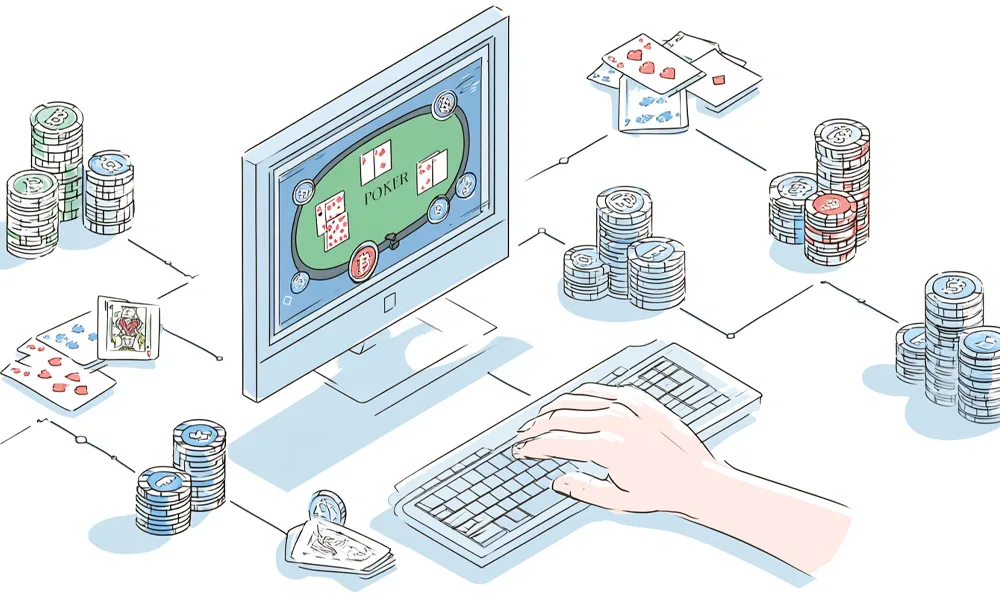
Operational Scenario: A Player Session in 2026 vs. 2028
To make these protocol developments concrete, consider how a typical deposit cycle might differ as infrastructure matures.
- 2026 (current state): Player initiates a Bitcoin deposit from a hardware wallet. Transaction broadcasts to Layer 1 mempool. Player sets fee at current market rate (check mempool.space for live data). First confirmation arrives in 10–20 minutes. Site credits after second confirmation. Total elapsed time: 20–40 minutes. Fee: variable, typically 0.5–2% of deposit amount under normal conditions.
- 2027–2028 (Layer 2 integrated): Player opens a Lightning channel during initial onboarding (one on-chain transaction, one-time cost). Subsequent deposits settle in under 5 seconds with sub-cent fees. No confirmation wait. No mempool monitoring required. The on-chain security guarantee remains—the channel’s funds are locked in a Bitcoin smart contract—but access latency drops from minutes to seconds.
- Hardware wallet integration: Current hardware wallets require manual signing for each transaction. Emerging hardware wallet firmware is adding Lightning and Layer 2 signing support, enabling cold storage security with Layer 2 speed. This eliminates the current hot/cold trade-off for players who prioritize both security and access speed.
Fee Economics at Scale
For high-volume players, the fee difference between Layer 1 and Layer 2 compounds significantly. A player making 50 deposit cycles per month on Layer 1 Bitcoin—each incurring network fees that may range from $1–15 depending on congestion—could pay $50–750 annually in pure network fees. The same volume on Lightning costs under $1 total. This economic reality will accelerate Layer 2 adoption among serious players regardless of technical familiarity, as the cost differential becomes impossible to ignore at scale.
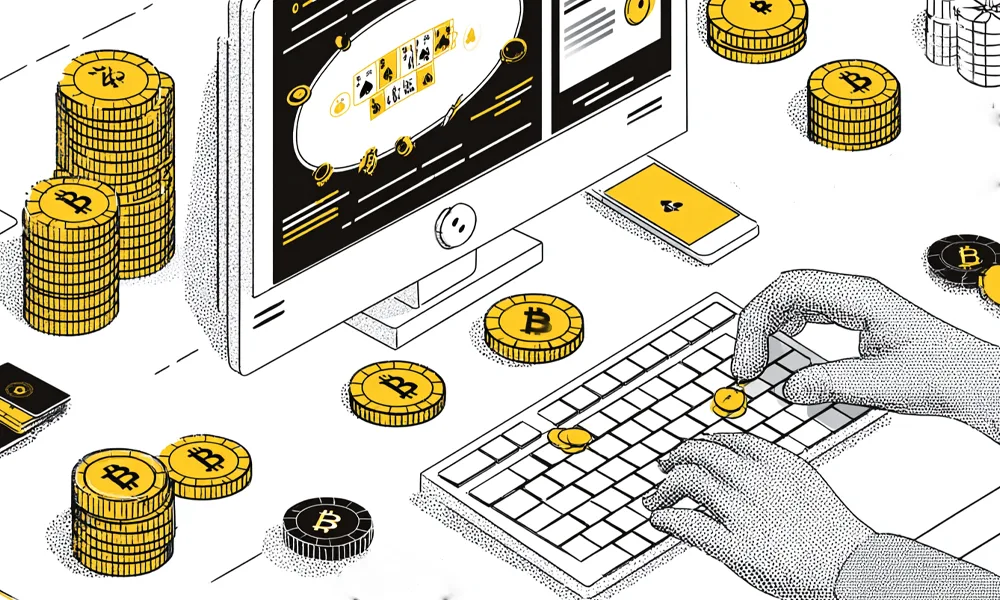
How Forward-Thinking Players Are Preparing Now
Players who understand the protocol roadmap can make infrastructure decisions today that reduce friction as Layer 2 adoption expands. The core preparation involves wallet selection, address format standardization, and familiarity with Layer 2 mechanics before they become the primary deposit method.
Technical Risk Management
The primary risk in early Layer 2 adoption is smart contract vulnerability—the code governing payment channels and rollup contracts has a shorter security track record than Layer 1 Bitcoin or Ethereum. Players should treat Layer 2 balances like hot wallet funds: sufficient for operational needs, not long-term storage. Cold storage on Layer 1 remains the appropriate model for large bankroll reserves. The processing infrastructure at established platforms like ACR Poker software is built to handle multiple deposit methods, allowing players to use Layer 2 for speed while retaining Layer 1 options for larger transactions where fee sensitivity is lower.
System Optimization
Advanced players are already running non-custodial Lightning wallets in parallel with their primary on-chain setup—using Lightning for small, frequent deposits and Layer 1 for less frequent, larger transfers. This hybrid approach captures Layer 2 efficiency without full commitment to infrastructure that is still maturing. Monitoring which Layer 2 networks your preferred poker platform integrates, and ensuring wallet compatibility before those integrations launch, reduces onboarding friction when the time comes.
Technical Evolution: The 3–5 Year Outlook
The developments most likely to materially change crypto poker operations over the next 3–5 years are not speculative—they are protocol upgrades already in development with defined technical roadmaps. Layer 2 deposit integration will become standard at major poker platforms as Lightning and rollup infrastructure matures and liquidity management tools improve. Transaction fees for standard deposits will approach zero for players using Layer 2 networks. Confirmation times will drop from minutes to seconds for the majority of deposit types.
Stablecoin infrastructure will continue maturing, with regulatory frameworks in major jurisdictions providing clearer legal status for USDT, USDC, and emerging regulated stablecoins. This reduces counterparty risk for players holding stablecoin bankrolls and increases the likelihood that poker platforms formally integrate stablecoins as a primary deposit currency rather than an alternative option.
Privacy-preserving transaction systems will remain in development but face the longest adoption timeline due to regulatory complexity. Players in jurisdictions with strong financial privacy traditions may see ZK-proof deposit options emerge at platforms designed for those markets. For most players, pseudonymous on-chain transactions will remain the privacy model for the foreseeable future—with incremental improvements from address rotation, CoinJoin coordination, and silent payment address formats that reduce clustering vulnerability without requiring full ZK infrastructure.
Frequently Asked Questions
What is the Lightning Network and how does it change poker deposits?
The Lightning Network is a Layer 2 protocol built on Bitcoin that enables instant, near-zero-fee payments through off-chain payment channels. For poker, it means players can fund a channel once and make instant deposits throughout multiple sessions without waiting for on-chain confirmations or paying per-transaction network fees. Final settlement is secured by Bitcoin’s Layer 1 consensus, maintaining trustless settlement properties while eliminating confirmation latency.
Are Layer 2 deposits as secure as Layer 1 on-chain transactions?
Layer 2 deposits derive security from the underlying Layer 1 chain but introduce additional smart contract risk. Payment channels and rollup contracts are governed by code with a shorter security track record than Layer 1 Bitcoin or Ethereum. In practice, well-audited Layer 2 protocols are considered secure for operational amounts, but they carry more technical risk than Layer 1 settlement. Treating Layer 2 balances like hot wallet funds—operational amounts only, not long-term storage—is the appropriate risk management approach.
Will crypto poker deposits ever be truly anonymous?
Current on-chain deposits are pseudonymous, not anonymous—transactions are publicly visible and vulnerable to address clustering analysis. Zero-knowledge proof systems can enable genuine transaction privacy, but adoption at regulated poker platforms faces compliance constraints. Most platforms require transaction records for regulatory purposes. True anonymity is unlikely at licensed poker sites regardless of technical capability. Incremental privacy improvements—address rotation, silent payments—are more realistic near-term developments for most players.
How will regulatory changes affect crypto poker payments?
Regulatory frameworks for crypto payments are evolving in most jurisdictions, with clearer stablecoin rules and crypto asset reporting requirements emerging. For poker players, clearer regulation generally reduces platform risk—operators in regulated environments have more defined compliance obligations, reducing the probability of sudden deposit freezes or fund access issues. Players should monitor regulatory developments in their jurisdictions, as tax reporting obligations for crypto poker winnings are a separate and growing compliance area.
Should players adopt Layer 2 wallets now or wait for wider adoption?
Running a non-custodial Lightning wallet in parallel with an existing on-chain setup carries low risk and builds familiarity with the technology before it becomes the primary deposit method at poker sites. The operational cost is minimal—Lightning wallets like Phoenix or Breez require no channel management—and the learning curve is shallow. Players who wait for full mainstream adoption will face onboarding friction at the moment they most need seamless access. Early familiarity is an operational advantage, not a speculative commitment.
What is the difference between Optimistic rollups and ZK-rollups for poker deposits?
Optimistic rollups assume transactions are valid by default and only run computation if fraud is challenged—withdrawal to Layer 1 requires a 7-day challenge period. ZK-rollups generate cryptographic validity proofs for every batch, enabling instant Layer 1 withdrawal without challenge periods. For poker deposits (moving funds onto the site), both are functionally equivalent—near-instant and cheap. For withdrawals to personal wallets, ZK-rollups provide faster finality. For most players, the practical difference is which network their poker site and wallet both support.