Learn how to safely transfer crypto between your wallet and poker account—address verification, confirmation times, fee strategy, and avoiding common mistakes.

Learn how to safely transfer crypto between your wallet and poker account—address verification, confirmation times, fee strategy, and avoiding common mistakes.
Compare custodial, software, and hardware wallets for crypto poker—understand custody trade-offs, security models, and which wallet fits your play style.
Self-custody in crypto poker means controlling your private keys. Learn custody models, wallet types, risks, and operational security strategies.

Keeping crypto on a poker platform is convenient but introduces custody risk. Self-custody wallets shift that risk to you. Here’s how to evaluate both models.
Learn what crypto wallets are, how custody models differ, and why poker players need one to manage funds securely and efficiently.

Learn professional strategies for storing cryptocurrency between poker sessions. Understand hot/cold wallet splits, custody models, and security practices to protect your bankroll.
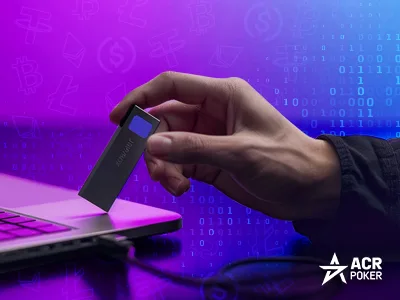
Hot wallets and cold wallets represent opposing security models for storing cryptocurrency used in online poker. Hot wallets maintain constant internet connectivity, enabling immediate deposits and withdrawals but exposing private keys to network-based attacks. Cold wallets store private keys offline on hardware devices or paper, eliminating remote attack vectors but requiring manual connection for each
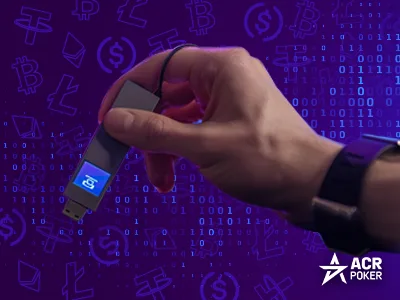
Self-custody wallets give poker players direct control over private keys, eliminating reliance on exchange or site custody. This control comes with absolute responsibility: lost keys mean lost funds with no recovery mechanism. Understanding custody models is fundamental to crypto poker security strategy. The distinction matters because custodial and non-custodial wallets have inverse risk profiles. Exchange
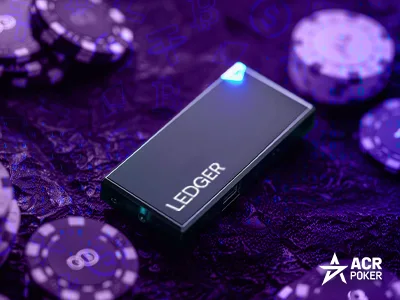
Cryptocurrency wallets for poker divide into two categories: custodial wallets where exchanges control your private keys, and non-custodial wallets where you maintain complete control. Non-custodial wallets further split into hot wallets (software connected to the internet) and cold wallets (hardware devices storing keys offline). The choice between these options depends on your bankroll size, transaction




Our Responsible Gambling program verifies that all players are of legal age and provides customizable self-exclusion tools for our tables, sportsbook, and casino.