



Crypto poker operates through blockchain settlement rather than traditional payment processors. Players control funds in cryptocurrency wallets, deposit through on-chain transactions that require network confirmations, and receive credited balances that function identically to fiat poker accounts. The technical difference lies in the settlement layer—blockchain networks validate transactions through distributed consensus instead of bank intermediaries.
Understanding this workflow matters because cryptocurrency introduces different operational requirements than credit cards or bank transfers. Transactions are irreversible once confirmed. Confirmation times vary by network congestion and fee priority. Players maintain custody responsibility for wallet security. These technical characteristics create trade-offs in speed, cost, and control that affect how you fund your poker account and manage your bankroll.
This guide walks through the complete crypto poker process: wallet selection and setup, deposit mechanics and confirmation requirements, account crediting and gameplay, withdrawal procedures, and the technical considerations that distinguish crypto poker from traditional payment methods. You’ll understand the protocol-level operations that power crypto poker and how to navigate each step efficiently.

Wallet Setup: Custody and Key Management
Crypto poker begins with wallet selection. Wallets store private keys that control cryptocurrency ownership. The wallet type determines who controls these keys—you directly (self-custody) or a third party like an exchange (custodial). Self-custody wallets give you complete control but require managing seed phrases and security. Custodial wallets simplify the experience but introduce counterparty risk.
For poker funding, most players use one of three wallet configurations. Hot wallets (software wallets on phones or computers) provide immediate access for frequent deposits and withdrawals. Hardware wallets (physical devices like Ledger or Trezor) store keys offline for maximum security but require connecting to a computer for transactions. Exchange wallets (Coinbase, Kraken, Binance accounts) offer the simplest interface but mean the exchange controls your keys, not you.
The optimal setup depends on bankroll size and transaction frequency. Players with small bankrolls often use exchange wallets for convenience—buying crypto and depositing to poker sites directly from the exchange. Players with larger bankrolls typically maintain hot wallets for active poker funds and hardware wallets for long-term storage. This separation limits exposure: if the hot wallet is compromised, only active poker funds are at risk.
Setting up a self-custody wallet requires recording a 12-24 word seed phrase. This phrase allows complete wallet recovery if your device is lost or damaged. Store it offline (written on paper or metal), never digitally. Anyone with access to your seed phrase controls your funds with no recovery mechanism. Exchanges handle this security for custodial wallets but introduce platform risk—exchange hacks or insolvency can result in loss of funds beyond your control.
Acquiring Cryptocurrency for Poker Deposits
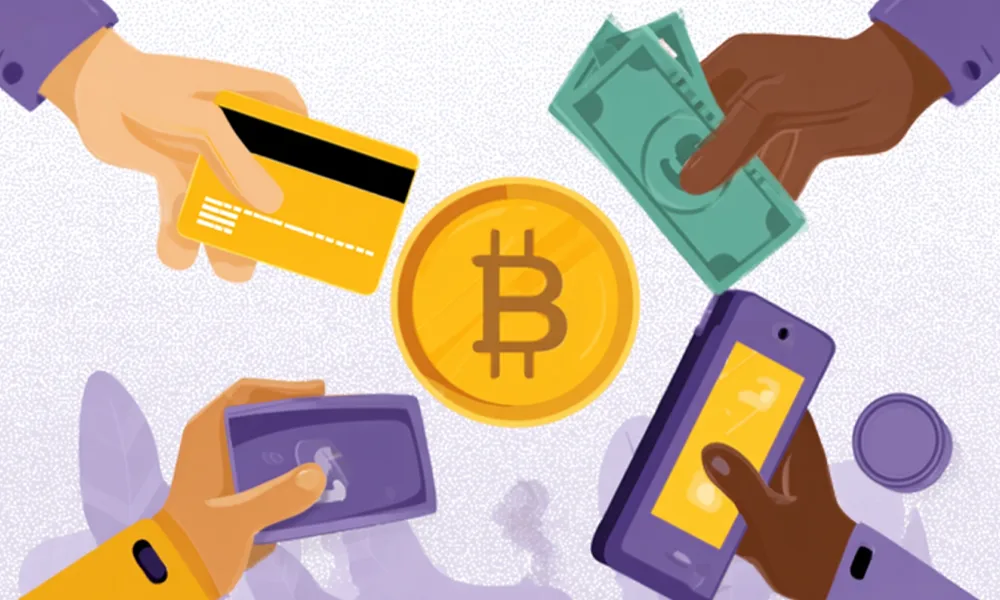
Before depositing to poker sites, you need cryptocurrency. The acquisition method affects cost, speed, and privacy. Centralized exchanges (Coinbase, Kraken, Gemini) offer the most straightforward purchase process: connect a bank account, verify identity through KYC procedures, and buy crypto with fiat currency. Fees typically range from 0.5% to 2% depending on payment method and exchange.
Peer-to-peer platforms like Bisq or LocalBitcoins allow direct crypto purchases from individuals without centralized intermediaries. These provide more privacy but require additional due diligence on counterparties and often carry higher effective costs. Bitcoin ATMs offer immediate acquisition without accounts but charge 5-10% premiums on average—only economical for urgent, small purchases.
Acquisition timing impacts deposit cost through price volatility. Cryptocurrency prices fluctuate significantly over short periods. A $500 Bitcoin purchase might be worth $485 or $520 by the time you deposit to a poker site hours or days later. Stablecoins (USDT, USDC) eliminate this volatility by maintaining 1:1 peg to the US dollar through reserve backing. They’re optimal for players who want cryptocurrency’s transaction benefits without price exposure.
Transaction fees also vary by acquisition method and timing. Buying crypto on an exchange incurs exchange fees. Withdrawing from the exchange to your wallet incurs network fees (blockchain transaction costs). Depositing from your wallet to the poker site incurs another network fee. Total cost from fiat to poker balance typically ranges from 1% to 4% depending on these combined fees—comparable to credit card costs but with different timing and control characteristics.
Deposit Process: Blockchain Transaction Mechanics
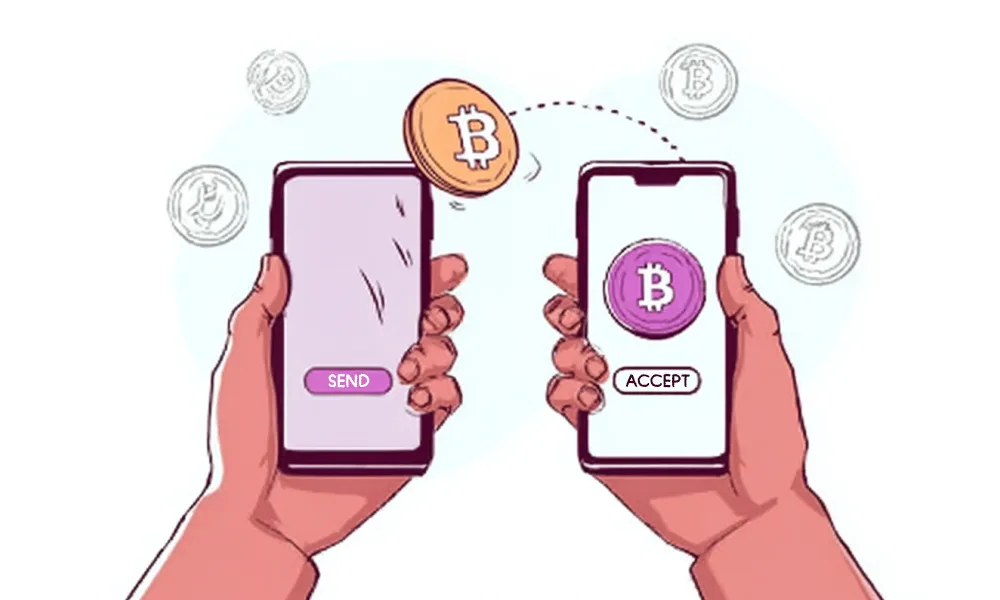
Depositing cryptocurrency to poker sites follows a specific technical sequence. The site generates a unique deposit address for your account—a string of characters representing a blockchain destination. You send cryptocurrency from your wallet to this address, broadcasting the transaction to the blockchain network. Miners (or validators in proof-of-stake networks) include your transaction in a block, beginning the confirmation process.
Confirmation requirements vary by cryptocurrency and site policy. Bitcoin deposits typically require 2-3 confirmations (approximately 20-30 minutes). Ethereum requires 12 confirmations (about 3 minutes). Litecoin requires 6 confirmations (roughly 15 minutes). These requirements exist because early confirmations carry reversal risk—blockchain reorganizations can affect the most recent 1-2 blocks. Multiple confirmations provide exponentially increasing certainty that transactions are permanent.
Transaction fees directly impact confirmation speed through priority mechanisms. Blockchain networks process transactions in fee-priority order when blocks reach capacity. During network congestion, low-fee transactions wait in the mempool (unconfirmed transaction pool) for available block space. High-fee transactions confirm in the next block. Fee markets are dynamic—rates fluctuate based on network demand, creating timing trade-offs between cost and speed.
Players control fee rates in most wallets through manual settings. During low network activity (weekends, overnight UTC hours), minimum fees confirm quickly. During high activity, competitive fees become necessary. Real-time fee estimation tools like mempool.space show current rates for different confirmation timeframes—1 block (next 10 minutes), 3 blocks (30 minutes), or 6+ blocks (1 hour or more). Optimal deposits balance urgency against cost based on current network conditions.

What This Means for Your Poker Funding
The blockchain settlement model creates operational characteristics distinct from traditional payment methods. Deposits are irreversible—once broadcast to the network, transactions cannot be canceled. This eliminates chargeback risk for poker sites but requires verification before sending. One incorrect character in a deposit address results in permanent loss. Always copy-paste addresses and verify the first and last characters match before confirming transactions.
Timing becomes a strategic variable rather than a fixed parameter. Credit card deposits are instant but crypto deposits require confirmation periods. Players who need immediate access to funds must either maintain buffer balances or choose faster-confirming cryptocurrencies. Litecoin confirms in one-third the time of Bitcoin with equivalent security. Stablecoins on Ethereum confirm even faster. The optimal cryptocurrency depends on whether you prioritize speed, cost, or maximum decentralization.
Network congestion introduces timing uncertainty. During normal conditions, Bitcoin confirmations average 10 minutes per block. During congestion, this extends to 15-20 minutes or more. Players depositing for scheduled tournaments must account for worst-case confirmation times plus buffer. A deposit requiring 3 confirmations during congestion could take 45-60 minutes instead of the typical 20-30. Planning deposits with time margin prevents missing games due to confirmation delays.
Common Mistakes Players Make
- Sending cryptocurrency to addresses from previous deposits instead of generating new ones, causing automatic processing failures and requiring manual site intervention
- Depositing minimum amounts without accounting for network fees, resulting in balances below site minimums after fees are deducted from the transaction
- Using exchanges as intermediaries for poker deposits, creating paper trails that violate exchange terms of service and risk account closure
- Setting wallet defaults to minimum fees without checking network conditions, causing hour-long delays for time-sensitive deposits
Account Crediting and Balance Management
Once transactions receive required confirmations, poker sites credit account balances automatically. The credited amount reflects the cryptocurrency value at the time of confirmation, not the time of sending. For volatile cryptocurrencies like Bitcoin, this introduces price risk over the confirmation period. A $500 deposit might credit as $495 or $505 depending on price movement during the 20-30 minute confirmation window.
Sites handle cryptocurrency balances through one of two models. Some maintain cryptocurrency-denominated balances—your account shows 0.0116 BTC instead of dollar values. Others convert deposits to USD equivalent at confirmation and maintain dollar-denominated balances. The model affects subsequent volatility exposure. Cryptocurrency-denominated accounts remain exposed to price changes while you play. Dollar-denominated accounts lock value at deposit confirmation.
This distinction matters for bankroll management and withdrawal planning. Cryptocurrency-denominated balances can appreciate or depreciate while you play. A winning session measured in Bitcoin terms might be a loss in dollar terms if Bitcoin price dropped significantly. Conversely, stable poker results can show profit if cryptocurrency appreciates. Dollar-denominated balances eliminate this consideration—your poker results directly reflect gameplay without currency price impact.
Most crypto poker sites use dollar denomination for gameplay simplicity. Blinds, buy-ins, and prizes display in familiar dollar amounts. Cryptocurrency only enters the equation during deposit and withdrawal transactions. This approach separates poker strategy from cryptocurrency trading—you’re playing poker, not speculating on crypto prices. The underlying settlement mechanism is blockchain-based, but the poker experience remains equivalent to traditional online poker.
Withdrawal Process: From Balance to Wallet
Withdrawals reverse the deposit process. You request a withdrawal amount (in dollars or cryptocurrency depending on site structure), provide a destination wallet address, and the site broadcasts a blockchain transaction sending funds to your address. Withdrawal processing time has two components: site processing and blockchain confirmation. Site processing varies from instant to 24-48 hours depending on security procedures. Blockchain confirmation follows the same mechanics as deposits.
Withdrawal addresses require the same verification care as deposit addresses. Sites cannot reverse blockchain transactions after broadcasting. Incorrect addresses mean permanent loss. Many sites implement address whitelisting—you register withdrawal addresses in advance, adding security through verification periods (24-48 hours before enabled). This prevents immediate unauthorized withdrawals if your account is compromised but requires planning ahead for new withdrawal destinations.
Batching strategies affect withdrawal costs and timing. Sites often batch multiple player withdrawals into single blockchain transactions, reducing per-player fees through shared costs. This creates processing delays—your withdrawal might wait for the next batch window (every 6-12 hours) rather than immediate processing. The trade-off is lower fees through efficiency versus immediate but costlier individual transactions. Understanding site batching schedules helps plan withdrawals for optimal timing.
Withdrawal fees typically follow one of three structures. Fixed percentage fees (1-2% of withdrawal) provide predictable costs. Fixed cryptocurrency amounts (0.0005 BTC regardless of withdrawal size) favor large withdrawals over small. Dynamic fees based on network conditions provide lowest costs during low-activity periods but fluctuate unpredictably. Sites usually display estimated fees before confirmation, allowing comparison of timing versus cost trade-offs before committing to withdrawals.
Security Considerations Throughout the Workflow
Crypto poker security operates on a different model than traditional online poker. With cryptocurrency, you control the keys that control the funds. Sites cannot recover lost wallet credentials. Password recovery mechanisms don’t exist for blockchain transactions. This creates absolute responsibility for wallet security—lost seed phrases mean lost funds with no customer service intervention possible.
The most critical security practice is seed phrase protection. Never store seed phrases digitally—no photos, no password managers, no cloud storage. Physical written or stamped metal backups stored in secure locations (fireproof safe, safety deposit box) provide optimal protection against both loss and theft. Multiple copies in separate locations protect against localized disasters while distribution limits single point of compromise risk.
Transaction verification prevents the most common crypto poker security failures. Before sending deposits, verify the destination address character-by-character. Sites display deposit addresses in your account—never trust addresses from emails, messages, or customer support communications without verifying through logged-in account access. Clipboard hijacking malware can replace copied addresses with attacker addresses. Verification catches these attacks before irreversible transactions.
Two-factor authentication adds account-level security for poker sites themselves. While 2FA doesn’t protect wallet custody, it prevents unauthorized access to poker accounts and withdrawal requests. SMS-based 2FA provides basic protection. Authenticator apps (Google Authenticator, Authy) offer stronger security by eliminating SIM-swap attack vectors. Hardware-based 2FA (YubiKey) provides the strongest protection but requires physical device access for logins.
Real-World Workflow: First Crypto Poker Deposit
Player sets up crypto poker account and plans first deposit of $500 for weekend tournament series. Starting point is fiat currency in bank account with no existing cryptocurrency holdings.
- Monday morning: Create exchange account (Coinbase), complete KYC verification (2-3 hours), connect bank account
- Tuesday: Bank account verification complete (24-hour waiting period), purchase $510 worth of Bitcoin (1% exchange fee = $5)
- Wednesday: Bitcoin fully settled on exchange (3-day ACH hold for fraud prevention), transfer to personal wallet address
- Thursday evening: Bitcoin transfer confirmed (0.0005 BTC network fee = $21.50), remaining balance 0.01138 BTC in personal wallet
The Technical Process
Player logs into poker site, navigates to cashier, selects Bitcoin deposit option. Site generates unique deposit address. Player copies address to personal wallet, sets transaction fee to 45 sat/vB for next-block confirmation (current network moderate congestion), and broadcasts transaction. Transaction enters mempool at 8:47 PM. First confirmation arrives at 8:58 PM (11 minutes). Second confirmation at 9:09 PM (11 minutes). Third confirmation at 9:17 PM (8 minutes). Total confirmation time: 30 minutes.
The Outcome
Site credits $500.00 to poker account at 9:17 PM after third confirmation. Total elapsed time from fiat in bank to playing poker: 4 days. Total fees: $26.50 ($5 exchange + $21.50 network fees = 5.3% of deposit). Player registers for Friday tournament series with 21 hours to spare. Bitcoin price moved from $43,000 at purchase to $43,400 at confirmation—deposit worth $505 at confirmation, though site credited agreed $500 amount.
How Professionals Handle Crypto Poker Workflows
Experienced crypto poker players optimize workflows through strategic wallet allocation and timing discipline. They maintain perpetual hot wallet balances equal to 2-3 tournament buy-ins, eliminating urgent deposit needs. Deposits happen during scheduled low-fee periods (Sunday evenings, weekday overnight hours) rather than reactively when needing funds. This timing flexibility allows minimum fees without confirmation urgency trade-offs.
Technical Risk Management
Professionals separate poker funds from investment holdings through dedicated poker wallets. A compromised poker wallet exposes only active bankroll, not entire cryptocurrency portfolios. They also implement graduated security: hot wallets for frequent small transactions, hardware wallets for cold storage, and multi-signature wallets for large holdings requiring multiple keys for transactions. This architecture matches security overhead to fund value and transaction frequency.
System Optimization
Advanced players use transaction batching and UTXO management to minimize fees over time. They consolidate small transaction outputs during low-fee periods, reducing future transaction sizes. They maintain separate wallets for deposits and withdrawals, simplifying accounting and tax reporting. They also leverage stablecoins for price stability when appropriate—depositing with USDT eliminates volatility risk during confirmation periods while maintaining blockchain settlement benefits.
Technical Evolution in Crypto Poker Workflows
Current crypto poker workflows rely on Layer 1 blockchain settlement, creating the inherent trade-offs between speed, cost, and security. Lightning Network for Bitcoin and Layer 2 solutions for Ethereum (Arbitrum, Optimism, Polygon) enable near-instant settlement with negligible fees by moving transactions off the main chain while maintaining security through periodic settlement to Layer 1.
As poker sites integrate these protocols, the deposit workflow will shift dramatically. Layer 2 deposits will confirm in under 5 seconds with fees below $0.10 regardless of network congestion. This eliminates the planning overhead that currently defines crypto poker funding. Players will deposit funds immediately before games without fee timing considerations, matching traditional payment method convenience while maintaining cryptocurrency’s control and privacy benefits.
The transition will be gradual. Early adoption requires wallet infrastructure supporting Layer 2 protocols and player willingness to manage liquidity across layers. However, the technical trajectory is clear—blockchain scaling solutions eliminate current friction points in crypto poker workflows. For players, maintaining awareness of emerging protocols and understanding their trade-offs positions you to adopt improvements as sites implement them.
Frequently Asked Questions
Can I use the same cryptocurrency wallet for multiple poker sites?
Yes, but it’s not optimal for privacy or accounting. Single wallets create linked transaction histories—blockchain analysis can connect your activities across different sites. Dedicated wallets per site provide better transaction isolation.
From an accounting perspective, separate wallets simplify tracking deposits and withdrawals for tax reporting. The technical overhead is minimal—most wallet software supports multiple wallets within a single interface, making separate wallet management straightforward.
What happens if I send the wrong cryptocurrency to a deposit address?
Funds sent to incompatible addresses are usually unrecoverable. Bitcoin sent to an Ethereum address, or vice versa, exists on the wrong blockchain entirely.
Some sites can recover funds if you sent a compatible variant (Bitcoin to Bitcoin Cash address), but this requires manual intervention and often incurs fees. Always verify both the cryptocurrency type and the specific address before sending. Test transactions with small amounts establish correct procedures before larger deposits.
Why do some sites credit deposits faster than others with the same cryptocurrency?
Sites set different confirmation requirements based on their risk tolerance and security policies. Newer sites often require more confirmations to protect against double-spend attacks and fraud.
Established sites with sophisticated monitoring may accept fewer confirmations for known accounts. Some implement tiered systems—new accounts require 6 confirmations while verified accounts with history require only 2. The blockchain mechanics are identical; the difference is site policy on acceptable risk levels.
Are crypto poker deposits anonymous?
Blockchain transactions are pseudonymous, not anonymous. Addresses aren’t directly linked to identities, but transaction patterns enable analysis. If you buy cryptocurrency from an exchange with KYC verification, your identity links to your wallet address.
Deposits from that wallet to a poker site create traceable connections. Privacy coins like Monero provide stronger anonymity through protocol-level obfuscation, but fewer poker sites accept them. True anonymity requires technical sophistication—mixing services, peer-to-peer acquisition, and careful transaction hygiene.
How do I optimize transaction fees for regular deposits?
Monitor mempool conditions using real-time fee estimators before each deposit. Mempool.space and similar tools show current fee rates for different confirmation speeds. Schedule deposits during predictable low-fee periods—weekends and overnight UTC hours see 50-70% lower fees on average.
Use SegWit addresses (addresses starting with bc1 for Bitcoin) for automatic 30-40% fee reduction. For Ethereum, transact during low gas price periods (check Etherscan gas tracker). Setting moderate priority instead of maximum ensures reasonable confirmation times without premium fees.
Can I cancel a crypto deposit if I made a mistake?
No. Blockchain transactions are irreversible once broadcast to the network. Some wallets support Replace-by-Fee (RBF) for unconfirmed transactions, allowing fee increases but not cancellation. Once a transaction receives even one confirmation, it’s permanent.
This is why verification is critical—check addresses multiple times before confirming sends. If you deposited to the wrong poker site or wrong address, contact site support immediately. Some sites can manually credit deposits to wrong addresses if they control the destination, but this isn’t guaranteed and takes time.